

Sorbara 2023. A report introduction.

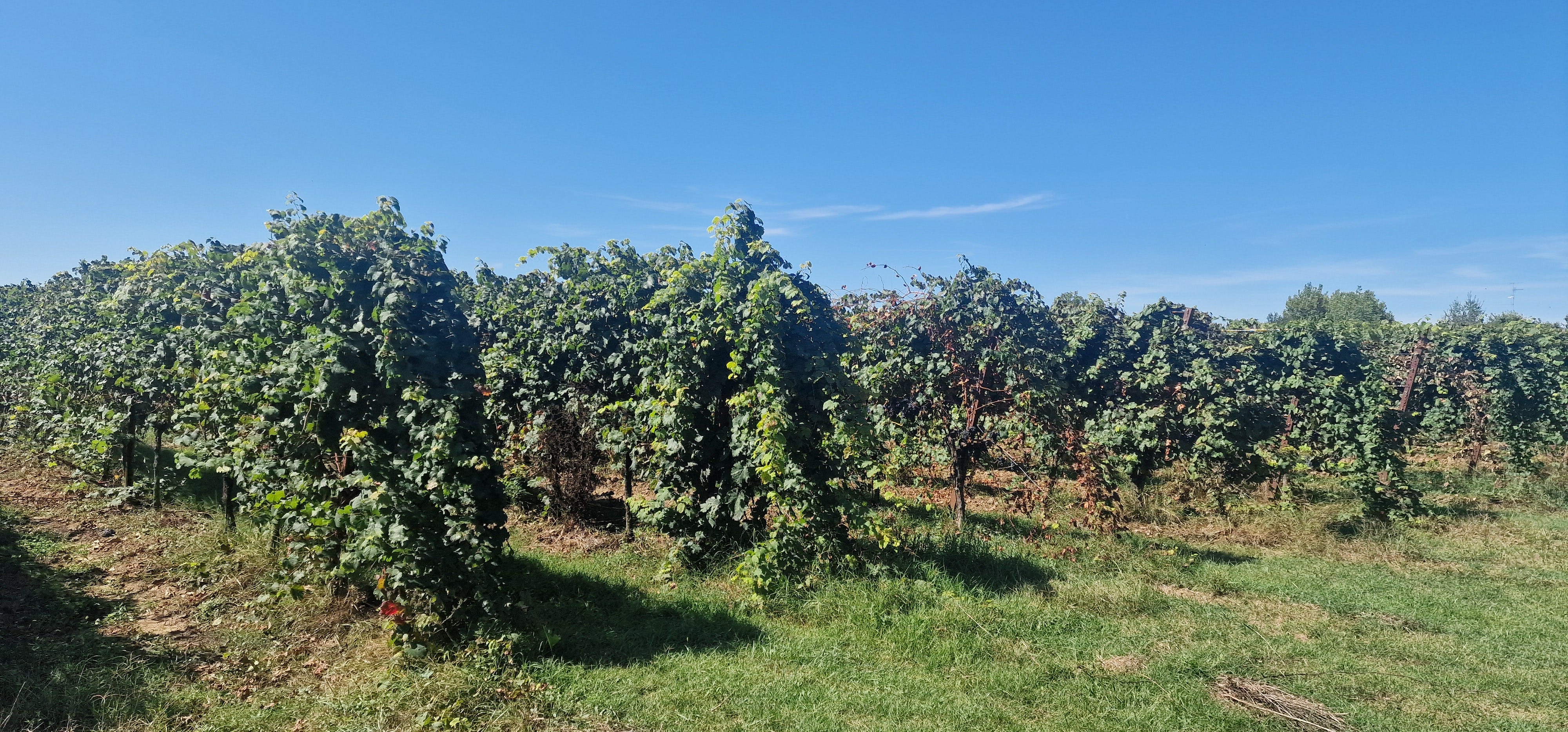
You're about to read a report on Lambrusco.
If you’ve ever drunk Lambrusco before, you’re thinking of a mass-produced, deep-coloured, Charmat-method sparkling red with high residual sugar, no aromas, and short, bitter finishes. The bad rep is palpable, and rightly so, because these terrible wines are indeed the majority of the production and the face of the appellation. So why should you be interested in reading something about it? Because within the world of Lambrusco there is one category that deserves a place in the fine wine conversation - and that’s “bottle-refermented” Sorbara.
Some clarity first.
Lambrusco is not a place but a variety. More precisely, it is a group of varieties related to each other: Sorbara, Grasparossa, Salamino are the main three, but also Oliva, Maestri, Marani, Montericco, Viadanese.
To add to the confusion, these grapes can be made in every method possible for producing sparkling wines: traditional method, Charmat, pét-nat. Charmat, the same method used for Prosecco, became dominant in the mid-’80s not because it was better, but because it allowed winemakers with little or no technical training to make clean wines easily.
Out of all the Lambrusco varieties, local growers have always identified Sorbara, the grape that grows in the area between the Panaro and Secchia rivers, as the noblest one. The wines are paler in colour, with higher acidity, naturally low yields, bouquets of red fruits and roses, and great capacity to age.
And out of all the methods for producing Lambrusco, the historical one is bottle refermentation (in Italian, rifermentato, also known as col fondo). In short, “bottle-refermented” means a second fermentation happens in the bottle, at lower pressure, without disgorgement..
There’s a reason why you’ve probably never heard of or tasted these wines: the producers in Modena are too busy fighting each other.
At the moment there are three main factions: the producers inside the Consorzio, and those outside, divided between the association “Custodi del Lambrusco” and a small group of anarchists who label their wines as IGT or Vino da Tavola. Outsiders criticise the Consorzio for protecting the interests of the dominant co-ops, but at the same time, their own demands are not entirely clear. What is clear is that the lack of unity among producers, especially the good ones, is doing nothing to fix Lambrusco’s reputation.
This is a political report. The wines being tasted are not only appellation wines (Lambrusco di Sorbara DOC) but also those with lower status (Frizzante dell’Emilia IGT, Vino da Tavola), in order to include every faction under one umbrella: the Sorbara area.
2023
A rainy spring replenished water reserves after the 2022 drought but also brought downy mildew, which reduced yields.
A mild summer with no heatwaves and a high diurnal range prolonged the growing season.
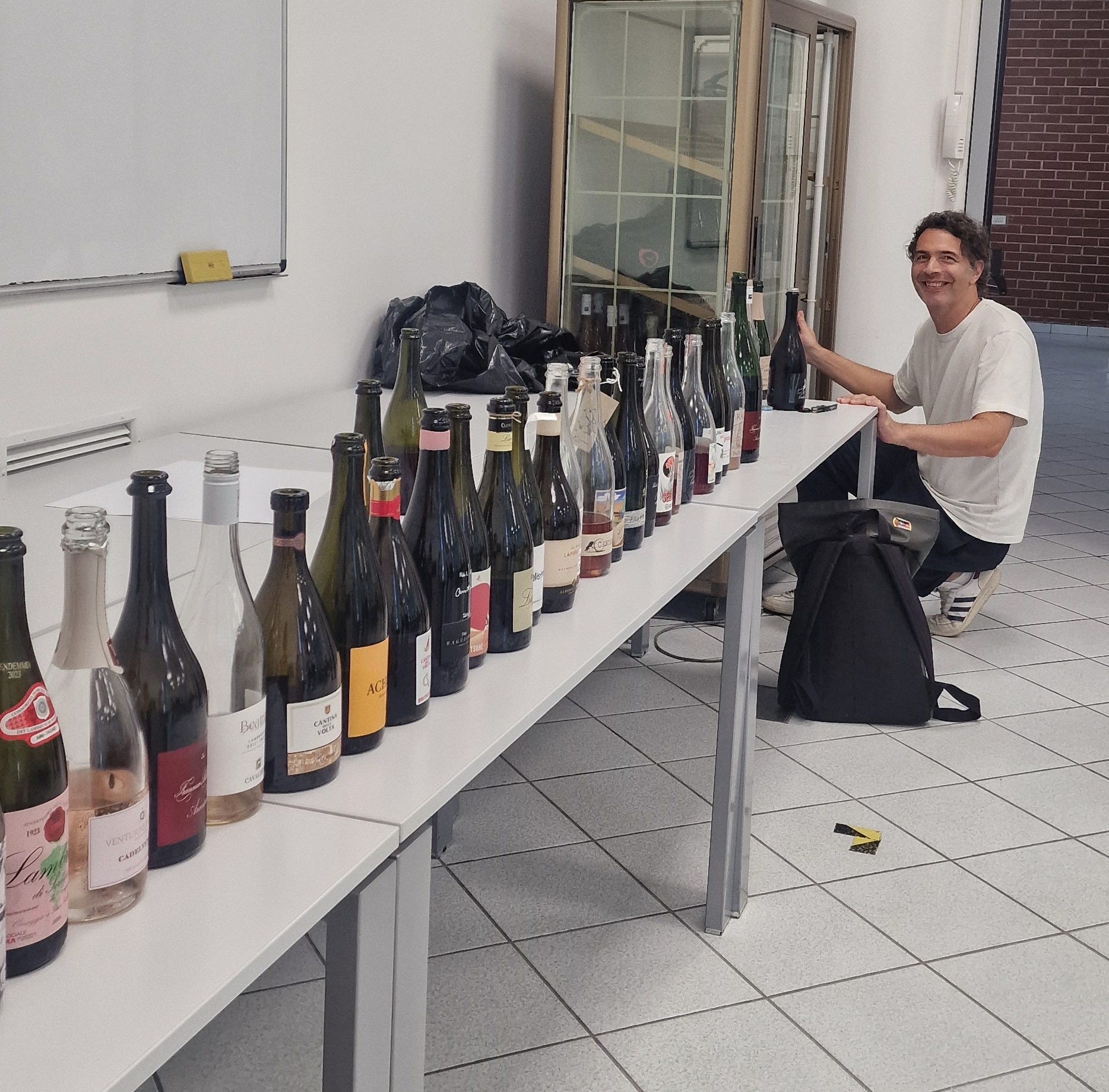
The Wines
Tasting 2023 Sorbara was quite a ride, overall a positive and exciting one. Most of the wines would comfortably fit in an international tasting and rank as a bronze medal in quality (what Parker would call 85–89 points). Understanding the styles is a different matter. The main confusion comes from the use of maceration: colours range from ginger to salmon pink to hot pink, with completely different aromas and textures.
Baby Magnum from Marchesi di Ravarino was the wine we most appreciated among the lighter styles of Sorbara. Subtle notes of wild strawberry, yeast and bread, ginger and blood orange. This wine is not about intensity, but about elegance. Everything is perfectly balanced on the palate, with a light bitter note enhanced by high acidity. A wine where finesse and austerity coexists gracefully.
Among the deeper-coloured Sorbaras, we couldn’t stop talking about one wine in particular. San Vincent from Bergianti is a majestic wine. An explosion of liquorice and black pepper, sour cherry and bread. The fruit is even riper on the palate, giving a sweet character to the long finish. The only wine of the tasting that screams its place of origin. Rarely do you find wines where two harsh structural elements, in this case a bitter vegetal character and strong, high acidity, dance together with such energy rather than crashing into each other. It’s a wine for tea lovers, coffee lovers, and eventually wine lovers as well.


The panel also enjoyed the austere freshness of A Giuseppe by Le Origini, the yeasty pronounced persistence of Achille by Cantina Roncaglia, and the Champagne-like complexity of the S3 by the legendary Prof. Venturelli. Phermento by Medici Ermete was a textbook example of good quality Sorbara, with enough balance and length to make our suggested list for this vintage.
2023 Sorbara is a tasting/report by Nelson Pari and Filippo Marchi.
This year's blind tasting panel featured Vania Valentini (curator of the guide Grandi Champagne), alongside Alessandro Medici (Medici Ermete), Luca Pizzetti (Franchina & Giarone) and Alberto Paltrinieri (Paltrinieri).
The tasting director was Sandro Cavicchioli (Francesco Bellei) and the sommeliers were Rachele Bellinazzi (cellarhand at Fabio Motta) and Iacopo Casadio (sales manager at Riecine).
PS. Thank you so much for reading this report on Lambrusco. We’ll keep writing about Sorbara, and always for free. The best way you can support us is by giving a like below, sharing this report on your social media, and subscribing to this newsletter.
I LOVE Lambrusco (done right) and Sorbara may be my favorite category. Salamino is fun but sometimes gets a bit too frothy for my taste. Nice insight